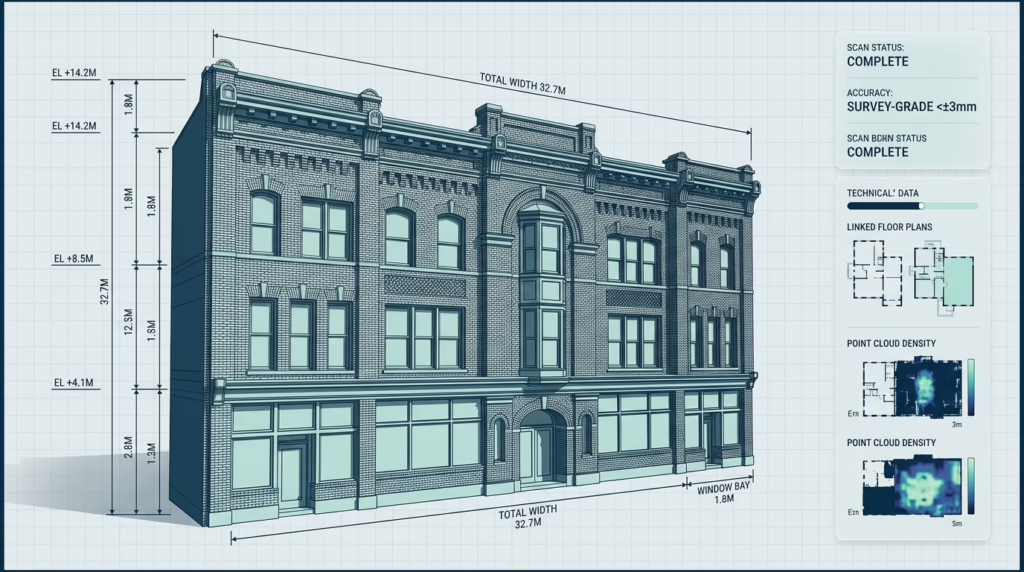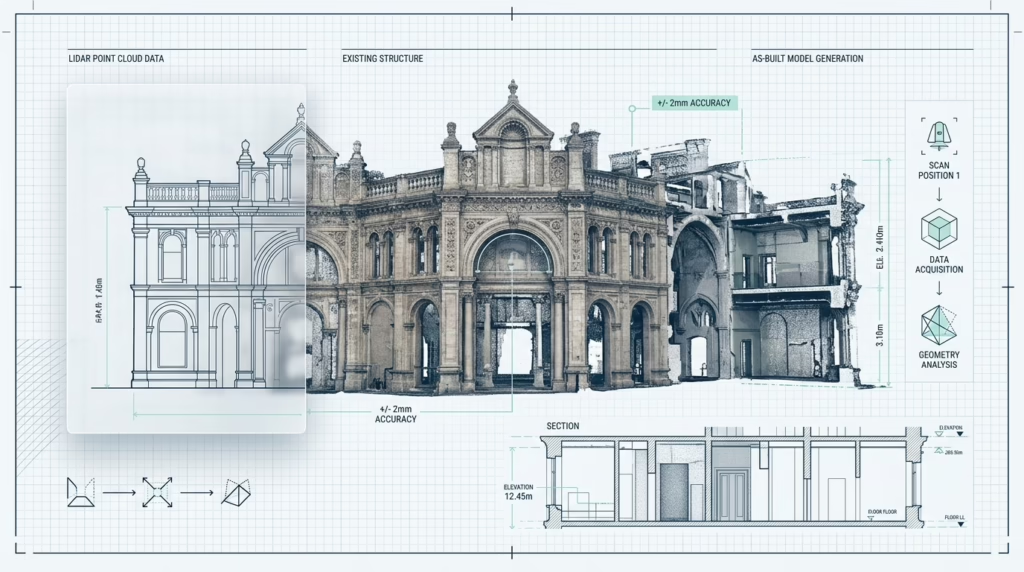
Reflected Ceiling Plans
Every Overhead Element, Documented
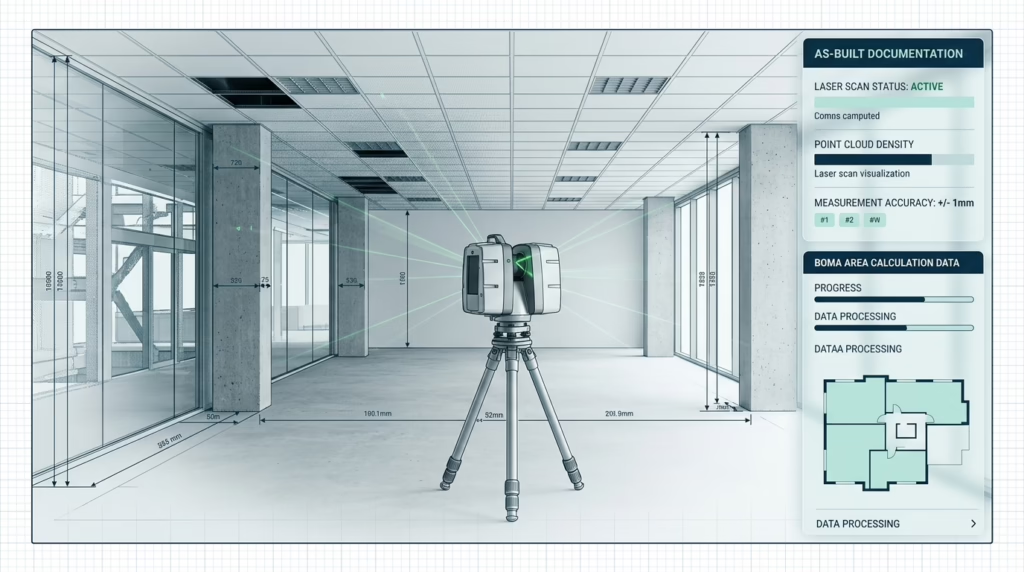
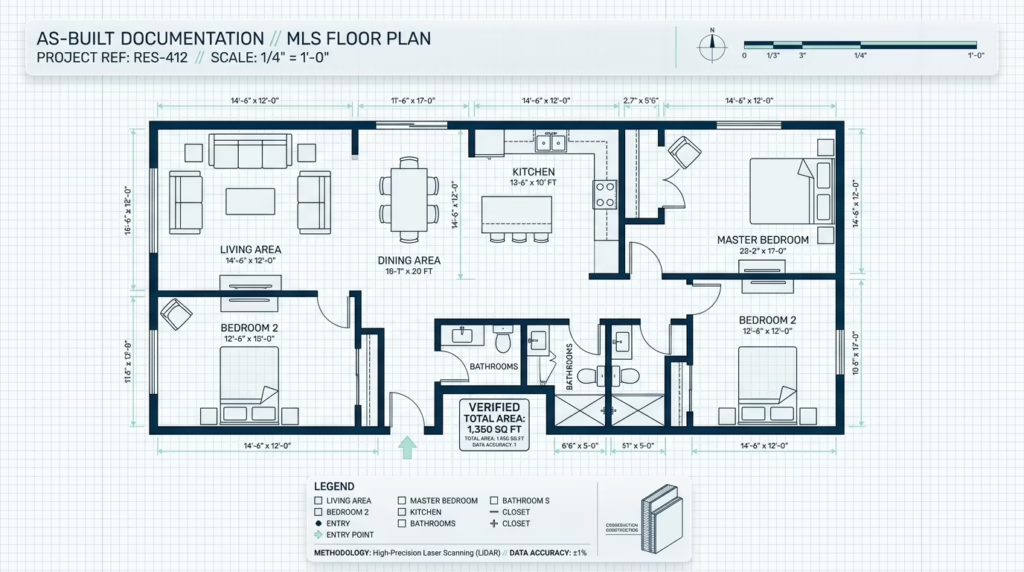
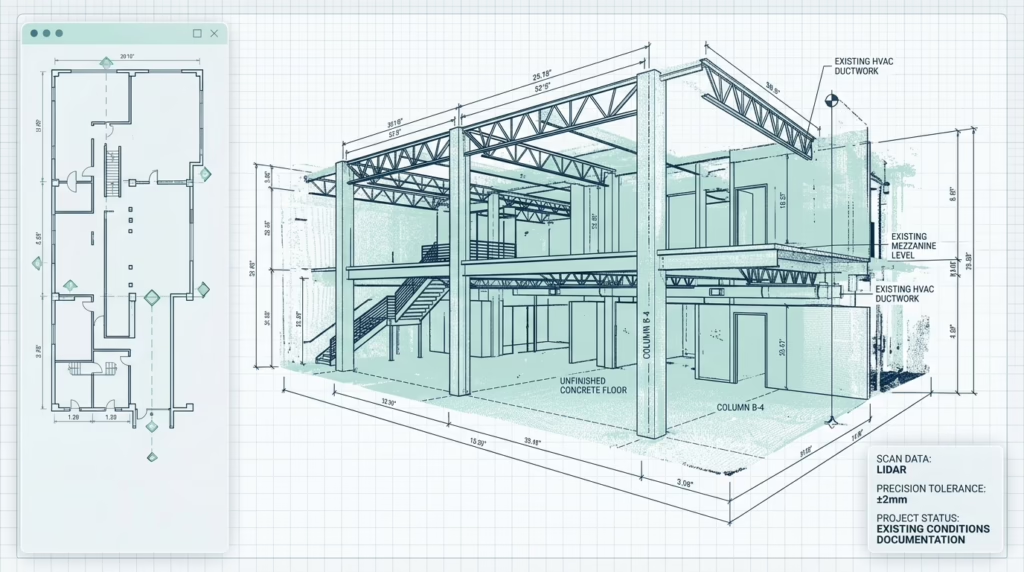
We produce accurate, fully annotated reflected ceiling plans drawn from LiDAR scan data — documenting ceiling heights, lighting layouts, HVAC grilles, sprinklers, and structural elements above every room.
Look Up. There’s a Lot More Going On Up There.
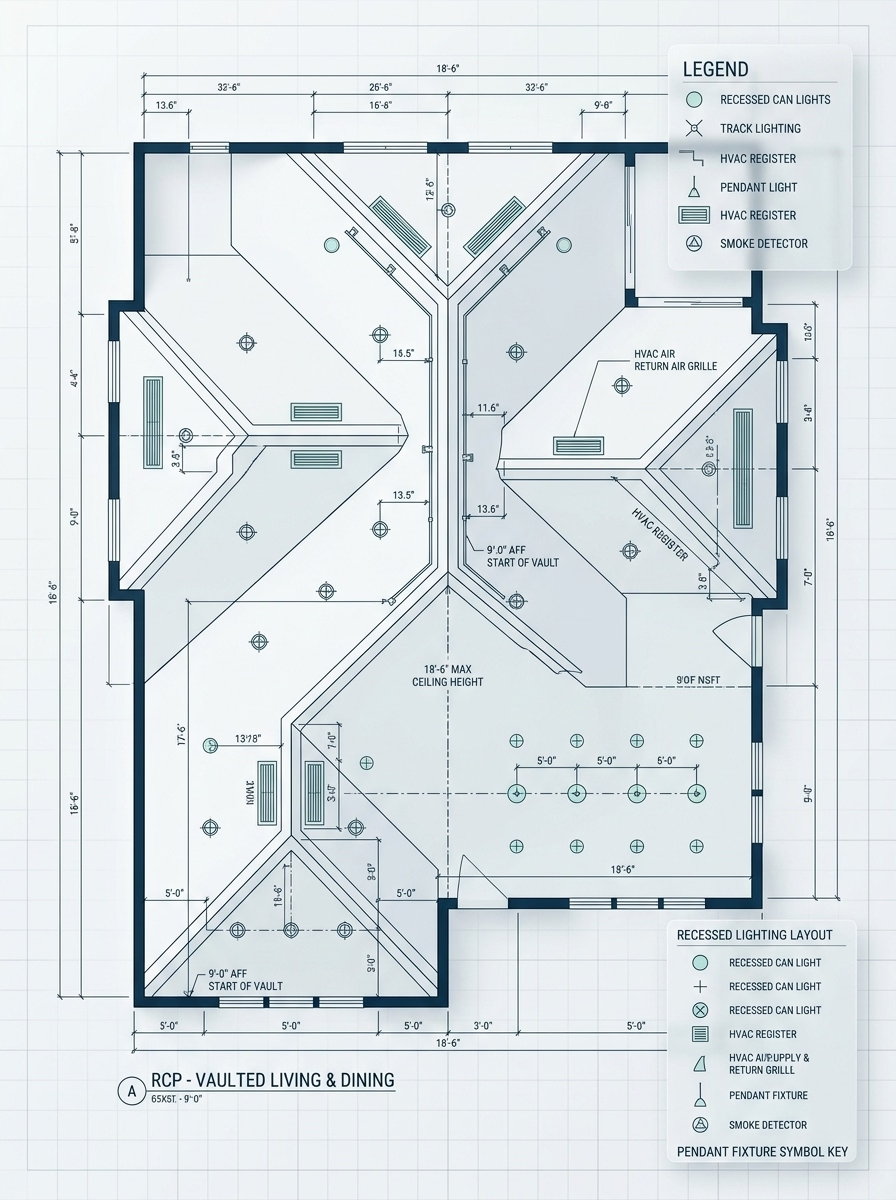
A Reflected Ceiling Plan — or RCP — shows what you would see if the floor were a mirror: the full overhead plane of every room, drawn to scale. It documents ceiling heights, materials, coffers, beams, soffits, and every mechanical, electrical, and fire-suppression element mounted above.
For renovation and fit-out projects, the RCP is essential. It tells interior designers where the lights are, gives MEP engineers a verified record of existing services, and allows architects to plan new ceiling systems without costly surprises. Our LiDAR-based RCPs capture everything overhead in a single scan pass — then our technicians draft clean, fully layered drawings ready for immediate coordination.
What Every RCP Includes
- check_circle Ceiling heights at all changes — flat, sloped, vaulted, and coffered
- check_circle Lighting fixture locations and types
- check_circle HVAC supply and return grille positions
- check_circle Sprinkler heads, speakers, and exposed structural elements
Every Overhead Element, Captured in One Pass
LiDAR scans the full ceiling plane simultaneously — no cherry-picking, no missed elements. Here’s what we document as standard on every RCP project.
Ceiling Heights
Finished ceiling height annotated at every transition — flat sections, soffits, dropped ceilings, vaulted spans, and exposed structure above.
Lighting Layout
All recessed, surface-mounted, and pendant fixtures plotted to scale — types noted and dimensioned from walls and ceiling grid lines.
HVAC Grilles & Diffusers
Supply and return air grille positions accurately located — essential for MEP coordination and any ceiling modification or replacement work.
Fire & Life Safety
Sprinkler head locations, smoke detectors, emergency lighting, and exit signs — all mapped and dimensioned as part of the existing conditions record.
Who Uses Our RCPs
Reflected ceiling plans serve every discipline involved in a renovation — from interior designers planning new lighting to engineers coordinating mechanical systems.
Architects & Interior Designers
Design new ceiling systems, lighting schemes, and finishes with full knowledge of what exists — heights, beams, soffits, and all existing fixtures documented.
Design & SpecificationMEP Engineers
Verify existing mechanical, electrical, and plumbing routing above the ceiling plane before designing new systems — eliminating clash-detection surprises during construction.
Mechanical & ElectricalCommercial Fit-Out Contractors
Accurately price and plan new ceiling installations — T-bar grids, drywall systems, and feature ceilings — with verified dimensions and full knowledge of existing services.
Office & Retail Fit-OutResidential Renovation Teams
Document existing vaulted, coffered, or tray ceilings in older homes where paper plans are incomplete — essential for kitchen, bath, and whole-home remodels.
Residential RemodelFire Protection Engineers
Locate every existing sprinkler head, smoke detector, and pull station before designing fire-suppression modifications or additions to an occupied building.
Fire & Life SafetyHistoric Preservation Projects
Record original ornamental plasterwork, exposed timber framing, and period ceiling details in heritage buildings — creating an archival-quality document before any intervention.
Heritage & RestorationOur Proven Process
1. Site Scheduling
We confirm room access, ceiling access panel locations, and any occupied-space constraints before the scan visit.
2. LiDAR Scanning
Our handheld scanner captures the full ceiling plane of every room in a single pass — walls, overhead elements, and all fixtures recorded simultaneously.
3. RCP Drafting
Our technicians extract the overhead plane from the point cloud and draft a fully annotated, layered RCP in AutoCAD — fixtures, heights, and materials all documented.
4. QA & Delivery
Every drawing is reviewed against scan data before delivery — consistent annotation, verified dimensions, and files packaged as DWG and print-ready PDF.